


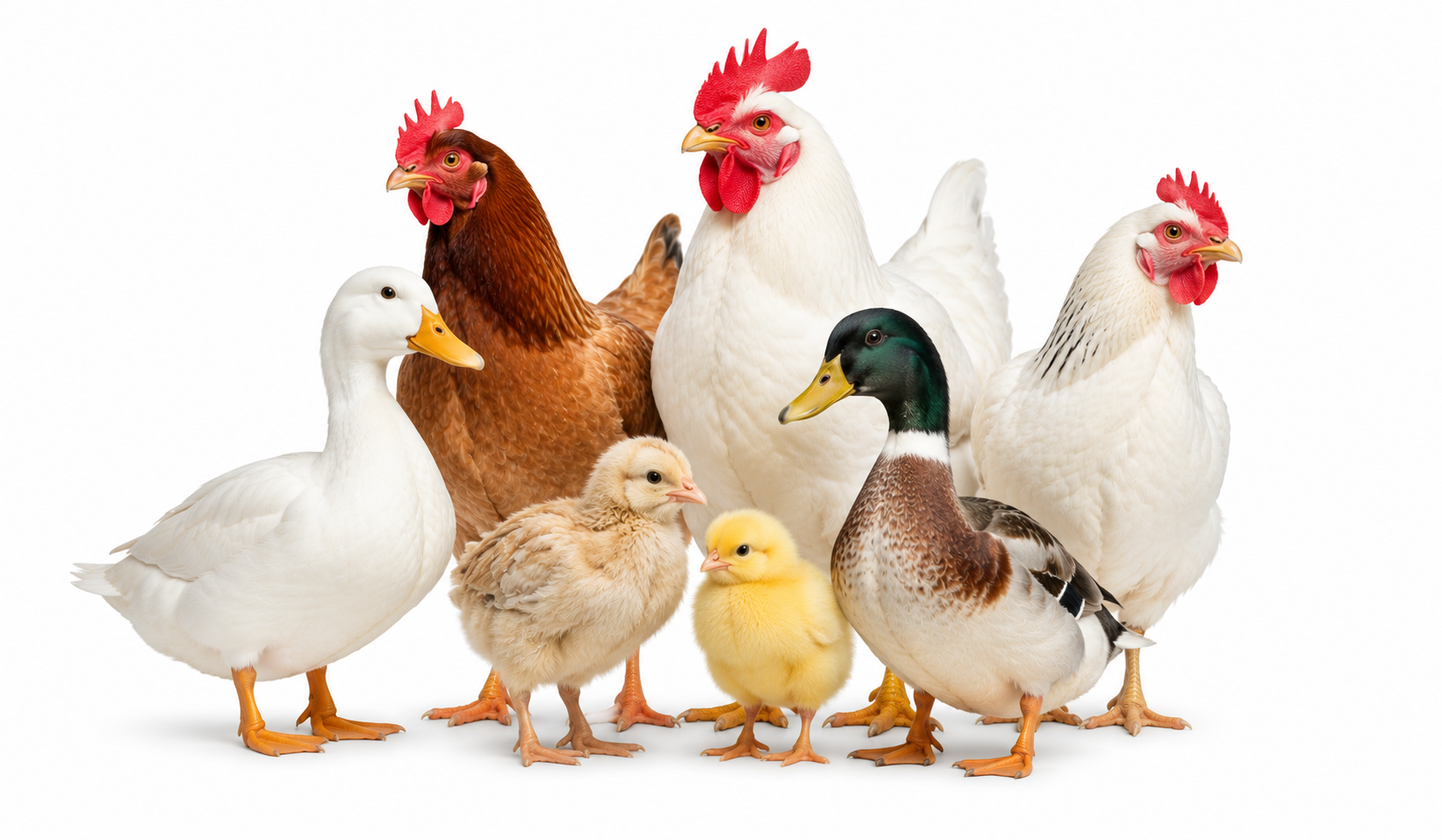
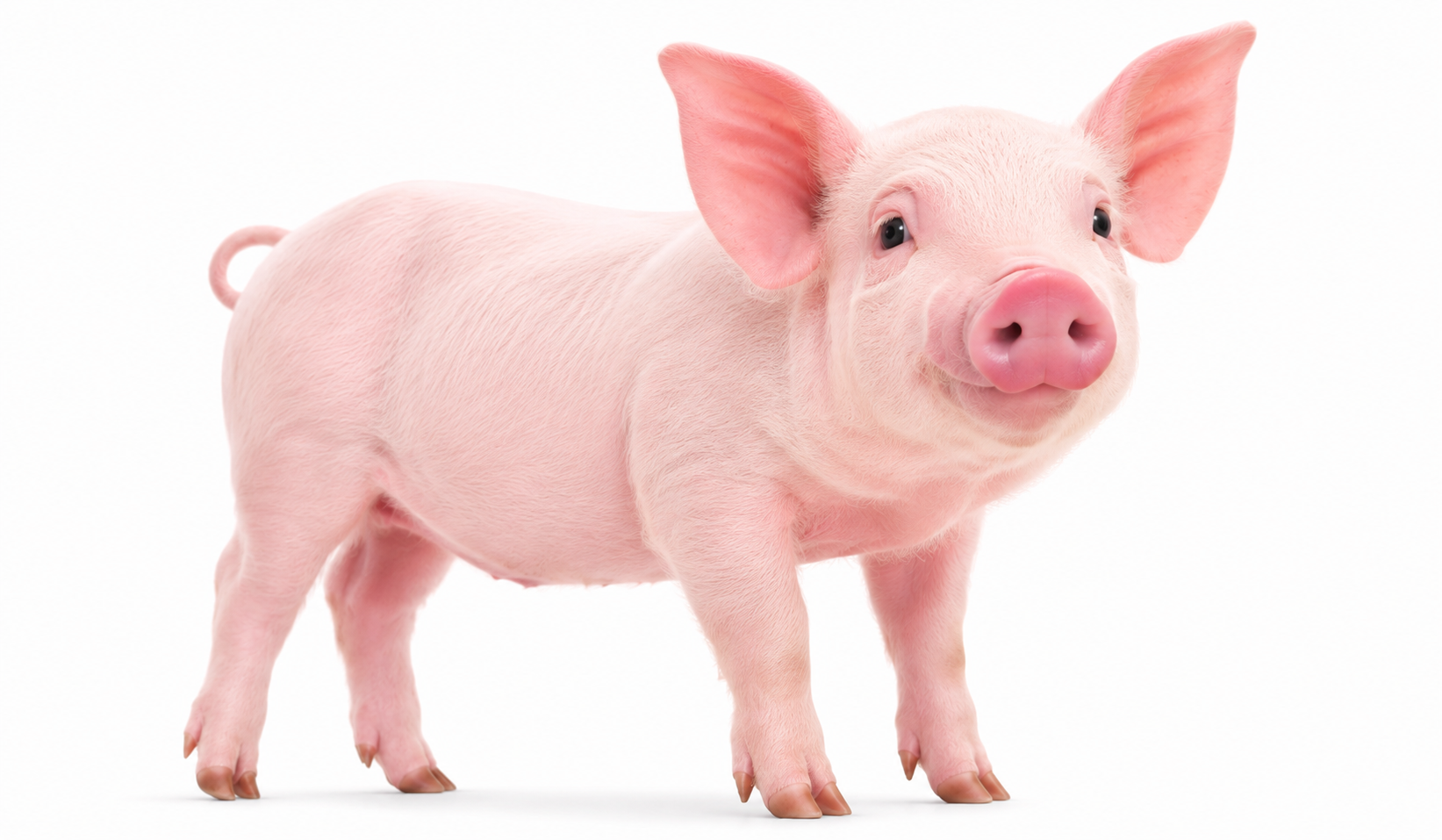
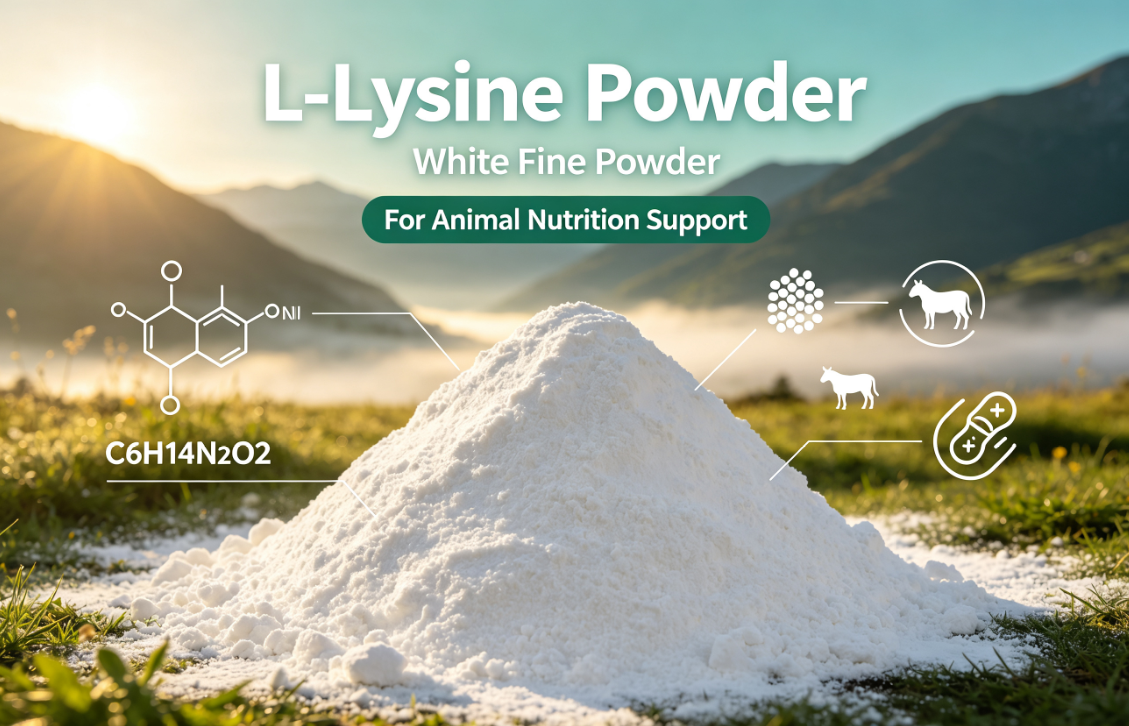
Bulk L-Lysine Powder for animal nutrition formulas. Zenpet supplies feed-grade L-Lysine HCl Powder for poultry, swine, aquaculture, livestock, and pet food manufacturers with customized specifications, bulk packaging, and global export support.
Research demonstrates that lysine is a limiting amino acid in many cereal-based animal diets. Proper lysine supplementation can improve:
Broiler studies indicate that dietary lysine balance influences:
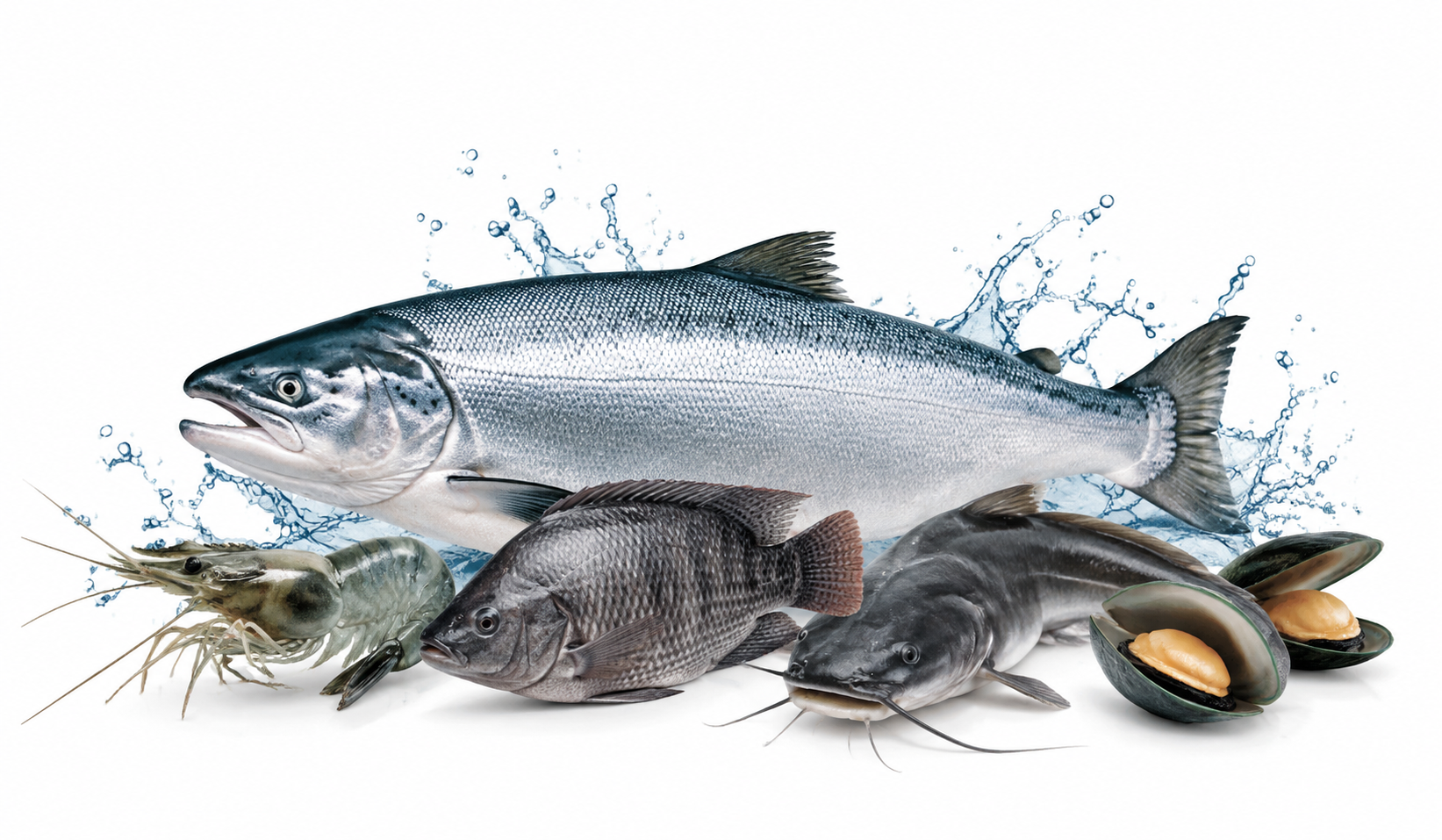
Lysine supplementation is widely studied in fish diets containing plant proteins because plant ingredients may provide insufficient essential amino acids.
Regulatory evaluations have confirmed the safety and nutritional function of fermentation-derived L-lysine monohydrochloride as an amino acid feed additive for animal species.
| Parameter | Specification |
|---|---|
| Product Name | L-Lysine Powder |
| Chemical Name | L-Lysine / L-Lysine Monohydrochloride |
| Application Grade | Feed-Grade |
| Appearance | White crystalline powder |
| Odor | Characteristic, odorless |
| CAS No. (L-Lysine Base) | 56-87-1 |
| CAS No. (L-Lysine HCl) | 657-27-2 |
| Molecular Formula (L-Lysine Base) | C₆H₁₄N₂O₂ |
| Molecular Formula (L-Lysine HCl) | C₆H₁₅ClN₂O₂ |
| Assay (L-Lysine HCl) | ≥78% L-Lysine (dry matter basis) |
| L-Lysine Content | ≥98% (depending on product grade) |
| Moisture | ≤1.5% |
| Loss on Drying | ≤1.5% |
| Heavy Metals | Complies with feed safety standards |
| Lead (Pb) | ≤10 ppm |
| Arsenic (As) | ≤2 ppm |
| Cadmium (Cd) | ≤1 ppm |
| Microbial Limits | Meets feed-grade requirements |
| Solubility | Highly soluble in water |
| Storage | Store in a cool, dry place, sealed container |
| Shelf Life | 24 months |
Wholesale L-Lysine Powder is an essential amino acid ingredient produced through microbial fermentation, commonly using industrial strains such as Corynebacterium glutamicum. The fermentation process converts carbohydrate-based raw materials into L-lysine, followed by purification, crystallization, drying, and packaging.
| Feature | L-Lysine | L-Methionine |
|---|---|---|
| Amino Acid Type | Essential amino acid | Essential amino acid |
| Main Function | Protein synthesis & muscle growth | Protein metabolism & feather development |
| Common Application | Swine, poultry, pets | Poultry, aquaculture |
| Limiting Factor | Often low in cereal diets | Often low in plant proteins |
| Feature | L-Lysine HCl | L-Lysine Sulfate |
|---|---|---|
| Purity | Higher concentration | Lower lysine concentration |
| Stability | Excellent | Excellent |
| Application | Premium feed formulas | Cost-effective feed formulas |
| Market Usage | Widely used globally | Alternative source |
L-Lysine is commonly supplied as L-Lysine HCl Powder (≥78% L-Lysine) for animal feed applications. The actual inclusion rate should be calculated based on the animal species, dietary protein source, and existing lysine level in the complete feed. Regulatory authorities generally recognize L-lysine and L-lysine HCl as nutritional feed additives for all animal species.
| Animal Application | Recommended Dosage | Usage Purpose |
|---|---|---|
| Piglet Feed (Starter/Weaner) | 0.3% – 0.6% of complete feed (3–6 kg/ton feed) | Supports rapid growth, lean muscle development, improves feed conversion |
| Grower & Finisher Swine Feed | 0.2% – 0.5% (2–5 kg/ton feed) | Maintains amino acid balance and improves protein utilization |
| Broiler Chicken Feed | 0.2% – 0.4% (2–4 kg/ton feed) | Supports breast muscle growth and weight gain |
| Layer Hen Feed | 0.1% – 0.3% (1–3 kg/ton feed) | Supports egg production and egg quality |
| Turkey Feed | 0.2% – 0.5% (2–5 kg/ton feed) | Optimizes growth performance |
| Aquaculture (Fish/Shrimp) | 0.5% – 1.0% (5–10 kg/ton feed) | Balances plant-protein diets and improves growth |
| Pet Food (Dogs & Cats) | 0.05% – 0.3% (0.5–3 kg/ton feed) | Supports muscle maintenance and amino acid balance |
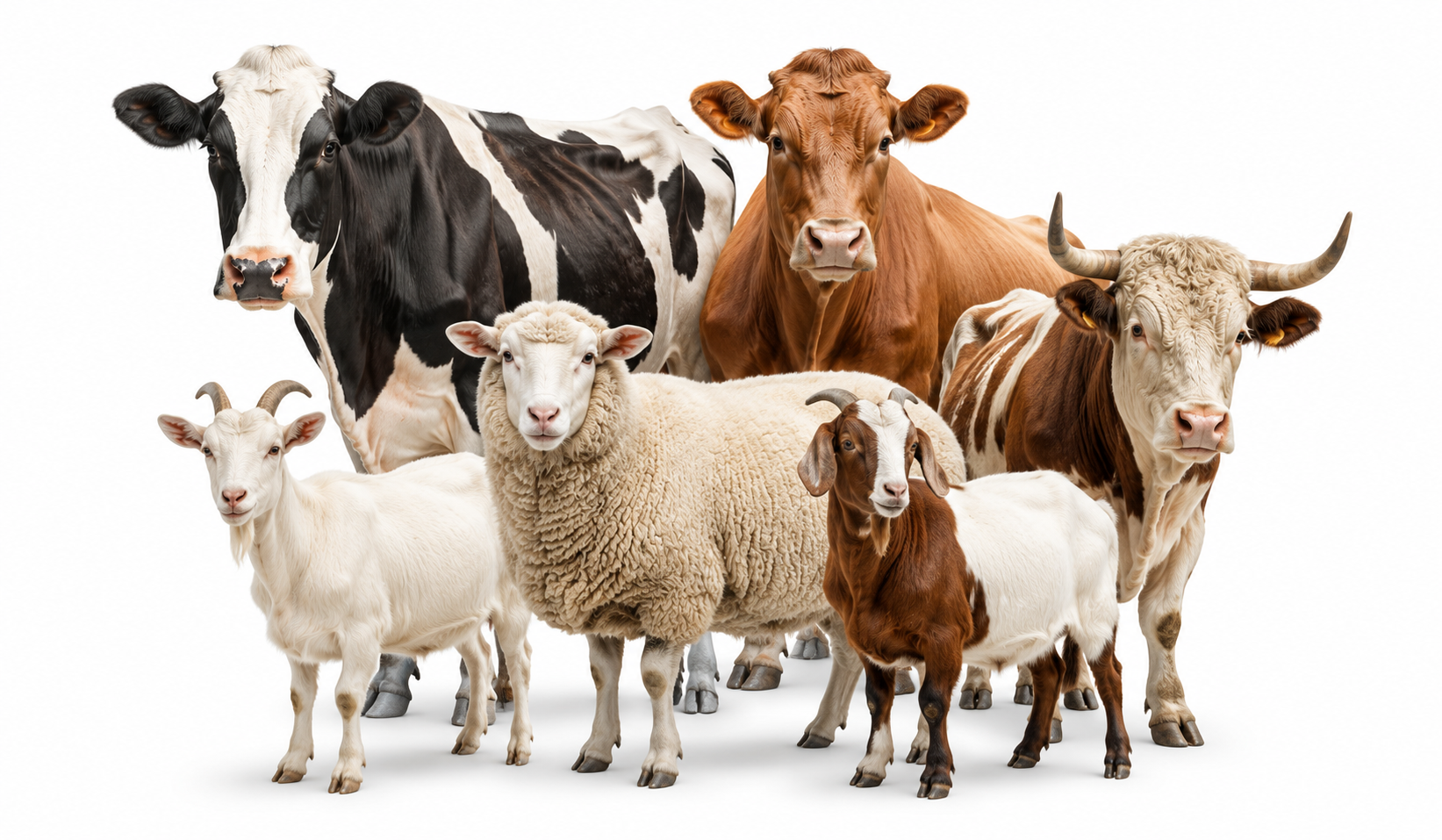
| Ruminant Feed (Dairy/Cattle) | 5–20 g/head/day (depending on diet formulation) | Improves microbial protein utilization and milk performance |
| Animal Premix Formula | Adjust according to lysine deficiency calculation | Precision amino acid balancing |
Dosage should be adjusted according to total dietary amino acid composition, animal age, production stage, and formulation targets. EFSA evaluations note that inclusion requirements depend on species, physiological status, performance level, environmental conditions, and the amino acid composition of the base diet.
| Ingredient | Inclusion |
|---|---|
| Soybean Meal | 25% |
| Corn/Wheat Base | 55% |
| Protein Concentrate | 10% |
| L-Lysine HCl | 0.3–0.5% |
| Methionine | 0.1–0.2% |
| Vitamins & Minerals | Balance |
Benefits:
| Ingredient | Inclusion |
|---|---|
| Corn | 50–60% |
| Soy Protein | 25–35% |
| Vegetable Oil | 3–5% |
| L-Lysine HCl | 0.2–0.4% |
| Mineral Premix | Balance |
Benefits:
| Formula Type | Dosage |
|---|---|
| Daily Dog Nutrition Powder | 100–500 mg/kg formula |
| Cat Immune Support Formula | 250–1,000 mg/kg formula |
| High-Protein Pet Treats | 0.1–0.3% |
| Functional Pet Supplements | 50–500 mg/serving |
For commercial feed formulation, the final inclusion rate should always be calculated using a least-cost formulation model based on digestible lysine requirements and the complete amino acid profile.
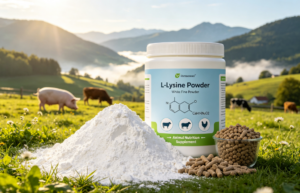
Zenpet provides bulk animal nutrition ingredients for global feed manufacturers, pet food brands, and animal health companies.
Every batch is tested for:
Zenpet supports:
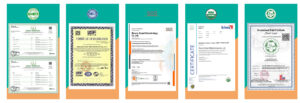
Available documents:
Zenpet develops ingredient solutions for:
Contact Zenpet L-Lysine Powder is a reliable bulk amino acid ingredient solution for global animal nutrition manufacturers seeking consistent quality, scalable supply, and export-ready documentation.
References
EFSA Journal – Safety and efficacy of L-lysine monohydrochloride produced by fermentation.
European Commission Feed Additive Regulation – L-Lysine Monohydrochloride specifications.
EFSA Scientific Opinion on fermentation-derived L-Lysine HCl.
European Union Reference Laboratory methods for amino acid feed additives.
| Item | Specification |
|---|---|
| Standard Packaging | 25 kg drum |
| Custom Packaging | Available |
| Storage Temperature | ≤25°C |
| Protection | Avoid moisture, oxygen, and sunlight |
| Shelf Life | 24 months |