

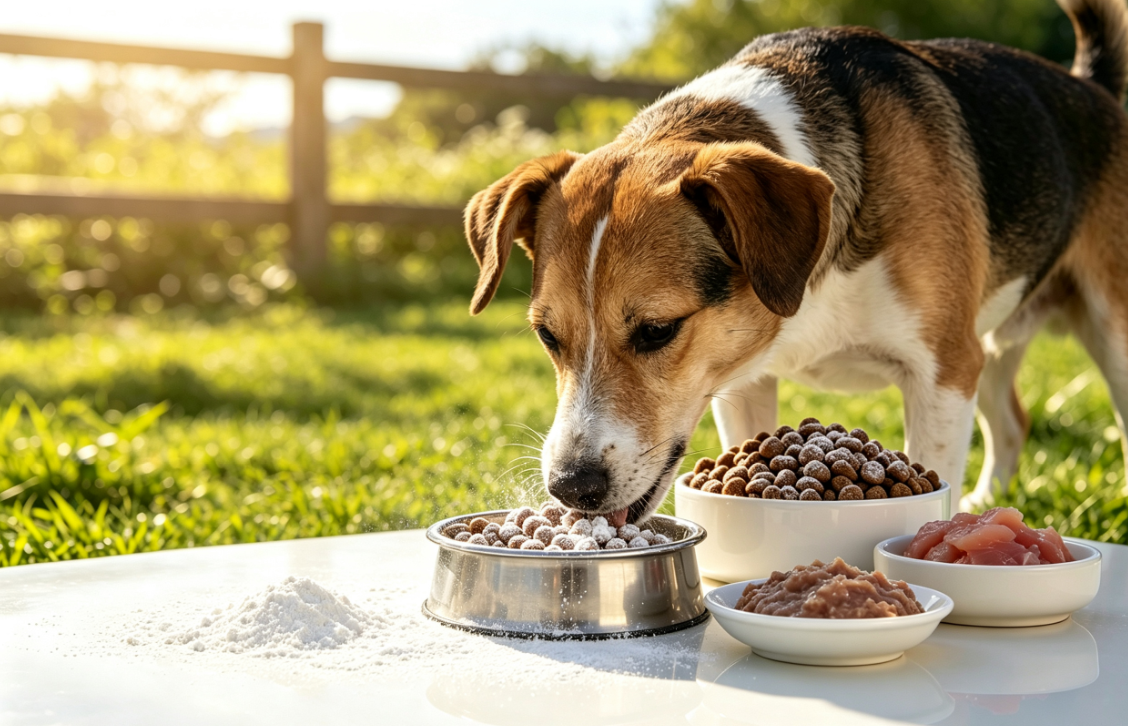
The global pet probiotics and biotics market is expanding rapidly, driven by rising pet humanization and consumer demand for functional digestive health products. Powder and dry formats represent a leading segment due to their storage stability and ease of blending into meals. Probiotics constitute over 55% of the total pet biotics market share, with dry and powder formulations capturing roughly 65% of preference due to convenience and shelf stability.
Learn how dog probiotics support digestive health, gut microbiome balance, and pet nutrition formulas. Discover strains, specifications, dosage, manufacturing, and how Zenpet supplies premium probiotic ingredients in bulk.
Probiotics for Dogs: What Pet Nutrition Brands Need to Know
The global pet wellness market is rapidly shifting from basic nutrition toward functional pet foods and supplements. Among the fastest-growing categories, dog probiotics have gained significant attention due to increasing demand for digestive health, immune support, stress management, and microbiome-focused nutrition.
For pet food manufacturers, supplement brands, and animal nutrition companies, probiotics represent more than a trending ingredient—they are a scientifically researched functional solution that requires careful strain selection, dosage optimization, stability testing, and manufacturing expertise.
Zenpet provides Probiotic Powder Suppliers in China and customized animal nutrition solutions designed for pet food, treats, powders, and supplement applications.
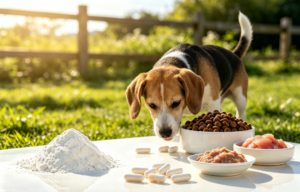
What Are Probiotics for Dogs?
Dog probiotics are live beneficial microorganisms that are added to pet foods or supplements to help maintain a balanced intestinal microbiota.
Common probiotic microorganisms used in canine nutrition include:
| Probiotic Strain | Application |
|---|---|
| Lactobacillus acidophilus | Digestive balance, intestinal health |
| Lactobacillus rhamnosus | Gut microbiota support |
| Enterococcus faecium | Pet food probiotic applications |
| Bacillus subtilis | Spore-forming probiotic for stability |
| Bifidobacterium animalis | Digestive health support |
| Saccharomyces boulardii | Yeast-based probiotic support |
Unlike conventional nutrients, probiotics are living microorganisms. Their effectiveness depends on:
- Specific bacterial strain
- CFU dosage
- Survival through processing
- Storage conditions
- Compatibility with other ingredients
What’s the Difference Between Prebiotics and Probiotics for Dogs?
You may have also heard of prebiotics. So, what’s the difference between the two? Prebiotics are types of fiber that nourish and promote the growth of good bacteria already living in the colon. In other words, prebiotics feed probiotics.
Prebiotics are usually found in high-fiber foods.
Some pet foods contain prebiotics, such as Hill’s Science Diet Adult Perfect Digestion Dry Dog Food, which is specially formulated with ActivBiome+, a special blend of prebiotics to support healthy digestion.
Probiotics vs Prebiotics vs Postbiotics for Dogs
| Ingredient | Definition | Function |
|---|---|---|
| Probiotics | Live beneficial microorganisms | Introduce beneficial bacteria |
| Prebiotics | Dietary fibers supporting bacteria | Feed beneficial microbes |
| Postbiotics | Inactivated microbial components/metabolites | Provide microbiome-derived benefits |
Why Are Dog Probiotics Becoming Popular in Pet Nutrition?
Growing Demand for Gut Health Solutions
Pet owners increasingly view pets as family members and seek preventive nutrition solutions.
Modern pet formulas now include:
- Digestive health ingredients
- Prebiotics
- Probiotics
- Postbiotics
- Fiber blends
- Functional botanicals
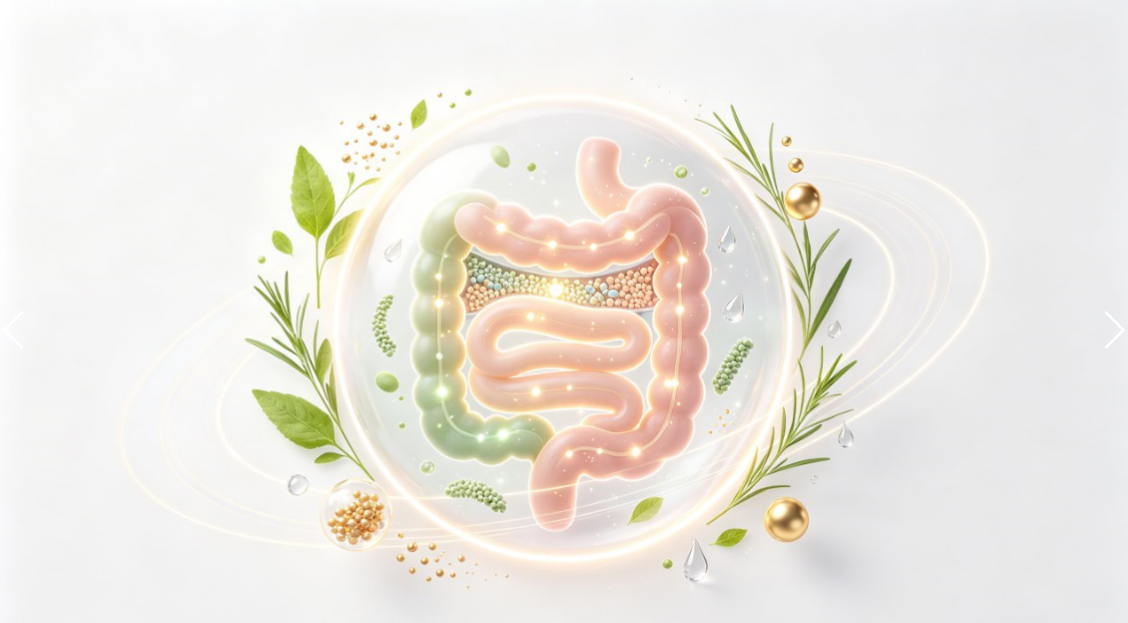
The canine microbiome plays an important role in digestion, nutrient metabolism, and immune function. Research indicates probiotics can influence microbial composition and may support intestinal health, although outcomes vary among strains and individual dogs.
How Do Probiotics Work in Dogs?
Probiotics may support canine health through several mechanisms:
Microbiome Balance
Beneficial bacteria compete with undesirable microorganisms and contribute to intestinal ecosystem stability.
Production of Beneficial Metabolites
Certain probiotic strains produce compounds such as:
- Short-chain fatty acids
- Organic acids
- Antimicrobial peptides
These compounds help maintain a favorable intestinal environment.
Gut Barrier Support
Some probiotic strains may support intestinal barrier integrity.
Immune Modulation
The gut microbiota interacts closely with the immune system, making microbiome-supporting ingredients increasingly important in functional pet nutrition.
Benefits of Probiotics for Dogs
Digestive Health Support
Dog probiotics are commonly formulated for:
- Normal stool quality
- Digestive balance
- Dietary transition periods
- Stress-related digestive challenges
Support During Dietary Changes
Dogs may experience digestive changes when switching:
- Dry food brands
- Protein sources
- Raw diets
- Therapeutic diets
Probiotic supplementation is often included in transition formulas.
Support for Senior Dogs
Aging pets may experience changes in:
- Gut microbiota diversity
- Nutrient absorption
- Digestive efficiency
Functional nutrition formulas increasingly include probiotics for senior pet products.
How to Choose the Right Probiotic Strain for Dog Supplements?
For pet nutrition brands, choosing a probiotic requires more than selecting a high CFU number.
Important evaluation factors include:
Strain Identification
A professional probiotic specification should include:
Example:
Lactobacillus acidophilus Zenpet
Not simply:
“Lactobacillus Powder”
Strain-level identification improves:
- Quality control
- Scientific validation
- Product differentiation
CFU Specification
Common probiotic powder specifications:
| Specification | Typical Range |
|---|---|
| Total Viable Count | 1×10⁹ – 1×10¹¹ CFU/g |
| Moisture | ≤5% |
| Appearance | White to light yellow powder |
| Carrier | Maltodextrin / resistant starch / fiber carrier |
| Storage | Cool, dry environment |
Stability During Manufacturing
Pet food ingredient suppliers should evaluate:
- Heat resistance
- Moisture sensitivity
- Shelf-life stability
- Compatibility with minerals and vitamins
Spore-forming probiotics such as Bacillus species are often considered attractive for applications requiring higher processing stability.
Probiotic Dosage Solutions for Pet Nutrition Formulas
Dry Pet Food
| Application | Recommended |
|---|---|
| Adult dog food | 10⁷–10⁹ CFU/kg finished food |
| Functional digestive formula | 10⁹–10¹⁰ CFU/kg |
Pet Treats
| Product Type | Suggested Use |
|---|---|
| Soft chews | Probiotic premix |
| Training treats | Digestive support formulas |
Pet Supplements
| Format | Dosage |
|---|---|
| Powder sachets | 1–5 billion CFU/day |
| Capsules | 1–10 billion CFU/day |
| Chews | Customized based on formula |
Dosage depends on strain, animal size, product positioning, and regulatory requirements.
How to Bulk Probiotic Supplier for Pet Food?
Pet brands should evaluate suppliers based on:
Animal Nutrition Experience
A supplier should understand:
- Pet food applications
- Animal digestive systems
- Formula compatibility
Complete Documentation
Request:
- COA
- Specification sheet
- Microbial identification
- Stability data
- Safety documents
Manufacturing Capability
Important supplier capabilities include:
- Controlled fermentation facilities
- Batch traceability
- Quality management systems
Sourcing Probiotics Powder for your brand? Talk to the team that’s supplied the industry’s leading brands for over 20 years. Every Zenpet sample ships with third-party verified analysis, Evaluate it against anything on the market. Contact us today!
Probiotics for Dogs FAQs
Q1:Can puppies take probiotics?
Yes, puppies can take dog-specific probiotics. This may help them develop a balance of intestinal bacteria to support a healthy immune system and reduce the incidence of diarrhea, constipation, and infections of the digestive tract.
Q2:Can dogs eat yogurt and other foods with probiotics?
Some human foods, such as yogurt, kefir, and fermented vegetables such as sauerkraut, have live cultures that may benefit some dogs. However, adding new foods to a dog’s diet can lead to diarrhea and other health problems, so it’s often safer to use a probiotic supplement.
Be sure to read the labels of human foods carefully to select plain, unsweetened varieties that do not contain artificial sweeteners, especially xylitol, which is toxic to dogs.
Q3:Do dogs need probiotics?
Probiotics may not be necessary for all dogs. For example, probiotics are typically not recommended for severely immunocompromised dogs. It is important to consult with your primary veterinarian to determine if your dog should start a probiotic.
Q4:How long do probiotics take to work in dogs?
Manufacturers of canine probiotic products have reported significant improvement in digestive and immune health within four weeks, and a reduction of anxious behaviors within six weeks.
References
Jensen AP, Bjørnvad CR. Clinical effect of probiotics in prevention or treatment of gastrointestinal disease in dogs: A systematic review. Journal of Veterinary Internal Medicine.
Schmitz S, Suchodolski J. Understanding the canine intestinal microbiota and its modification by pro-, pre- and synbiotics. Veterinary Medicine and Science.
The Effect of Probiotics Supplementation on the Gut Microbiome of Healthy Dogs Assessed Using Metagenomic Sequencing: A Randomized Control Trial.
The microbiota of healthy dogs demonstrates individualized responses to synbiotic supplementation in a randomized controlled trial.