



Sourcing Glucosamine HCl Powder for your brand? Talk to the team that’s supplied the pet nutritional supplement brands for over 20 years. Every Zenpet sample ships with third-party verified analysis, Evaluate it against anything on the market.
Can Glucosamine HCl Powder be Used in Pet Soft Chews and Functional Treats?
Yes. Glucosamine hydrochloride (Glucosamine HCl) powder can be incorporated into pet soft chews, functional treats, and other complementary pet supplement formats. Its high glucosamine content, water solubility, and compatibility with common pet supplement manufacturing processes make it a practical ingredient for canine joint-support products.
However, successful formulation requires more than simply adding glucosamine bulk powder to a treat base. Manufacturers must consider ingredient concentration, processing temperature, moisture exposure, palatability, dosage uniformity, shelf-life stability, and the regulatory requirements of their target markets.
For pet food manufacturers and nutritional supplement brands, glucosamine HCl offers an opportunity to develop differentiated mobility-support products in convenient formats such as soft chews, functional biscuits, and supplement treats.
This guide explains how glucosamine HCl works in pet formulations, how to incorporate it into different treat formats, what inclusion levels to evaluate, and how to select a reliable bulk ingredient supplier.
What Regulatory Requirements Apply to Glucosamine Pet Treats?
For the United States, pet treats are generally regulated as animal food, and manufacturers must establish that their ingredients are lawful for the intended use.
An ingredient’s use in human dietary supplements does not automatically establish its lawful use in animal food. Manufacturers should verify the applicable regulatory pathway and any use limitations for Glucosamine HCl in the target species and product category.
What Is Glucosamine HCl Powder?
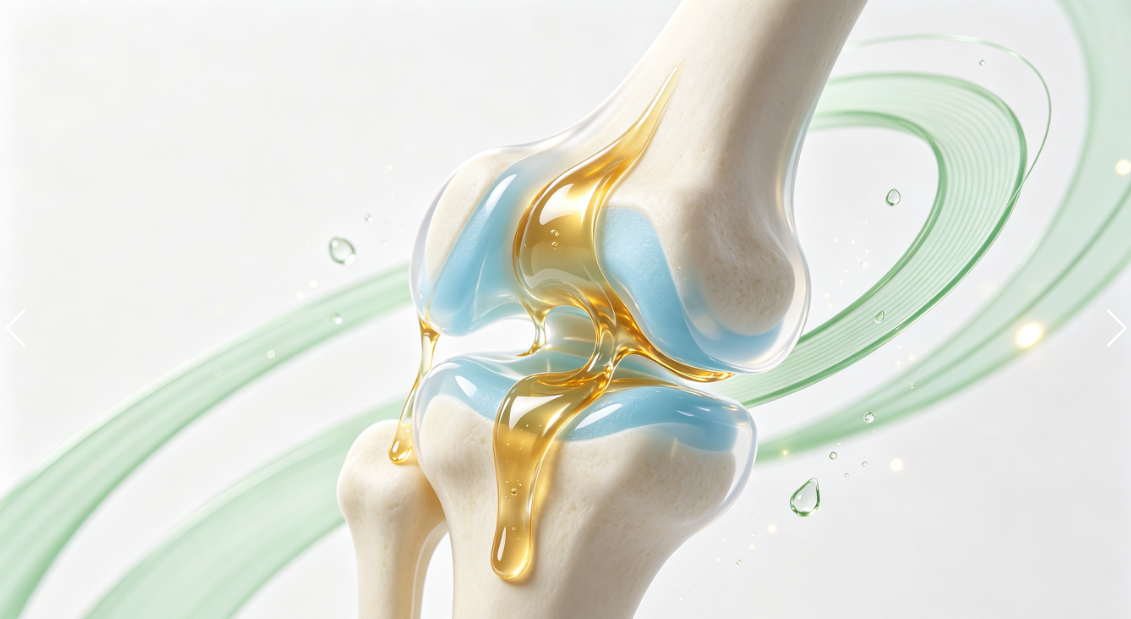
Glucosamine hydrochloride is a salt form of glucosamine, an amino sugar associated with the structural components of cartilage and other connective tissues.
It is commonly used in joint-support supplements for dogs and is frequently combined with ingredients such as chondroitin sulfate, methylsulfonylmethane (MSM), and omega-3 fatty acids.
Why Is Glucosamine HCl Used in Pet Soft Chews?
Pet soft chews are a popular delivery format because they combine the convenience of a treat with a measured supplement serving.
For manufacturers, glucosamine HCl offers several formulation advantages.
1. Concentrated active ingredient
Pure glucosamine HCl powder allows formulators to deliver a specified amount of glucosamine without requiring an excessively large ingredient inclusion.
This is particularly useful for small soft chews, where the available space must accommodate flavors, binders, humectants, and other functional ingredients.
2. Flexible formulation compatibility
Bulk glucosamine HCl Powder can be incorporated into a range of pet supplement matrices, including:
-
Cold-formed and low-temperature soft chews
-
Semi-moist functional treats
-
Baked dog biscuits, subject to stability validation
-
Compressed supplement treats
-
Powder-coated treats, where the coating system is validated
3. Compatibility with multi-ingredient formulas
Best glucosamine HCl powder can be formulated alongside complementary joint-support ingredients, including chondroitin sulfate, MSM, and selected omega-3 sources.
These combinations allow brands to create different product tiers and positioning strategies. However, evidence for the clinical efficacy of glucosamine-containing combinations in canine osteoarthritis remains mixed.
4. Potential for differentiated sourcing
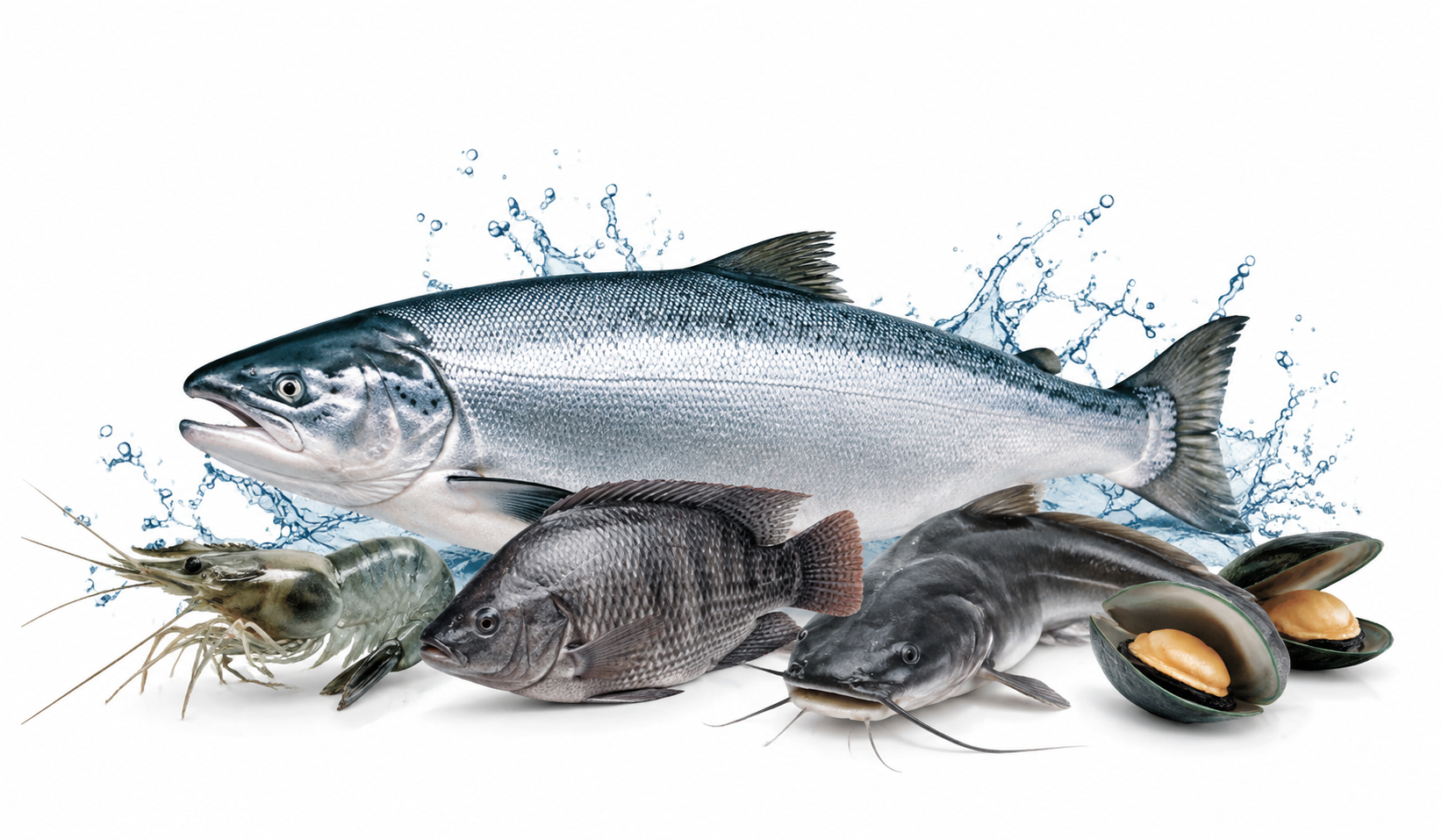
Manufacturers can select shellfish-derived or suitably documented fermentation-derived glucosamine HCl based on their sourcing requirements.
A fermentation-derived option may be useful for brands seeking to avoid shellfish-derived raw materials, provided the actual production process and allergen controls support that positioning.
How Can Manufacturers Formulate Glucosamine HCl Soft Chews for Dogs?
Manufacturers should select a suitable chew matrix, establish a veterinarian-reviewed ingredient target, and validate the final product through pilot-scale production.
Select a suitable soft chew base
A typical pet soft chew formulation may contain:
| Ingredient | Formulation function |
|---|---|
| Glucosamine HCl powder | Target functional ingredient |
| Glycerin | Humectant and texture modifier |
| Tapioca starch | Binder and structure |
| Pea flour | Plant-based carrier |
| Chicken or liver flavor | Palatability enhancement |
| MSM | Complementary functional ingredient |
| Chondroitin sulfate | Complementary functional ingredient |
| Mixed tocopherols | Antioxidant system, where suitable |
| Approved preservatives | Microbial stability, when necessary |
Ingredient selection must be compatible with the intended animal species and destination-market regulations.
Determine the target glucosamine content
For commercial product development, glucosamine concentration should be calculated according to the desired amount per chew, the chew weight, raw-material assay, and validated manufacturing losses.
The following table provides illustrative formulation calculations, not recommended veterinary dosages.
| Product concept | Chew weight | Target Glucosamine HCl per chew | HCl inclusion by weight |
|---|---|---|---|
| Small-format chew | 2 g | 100 mg | 5.0% |
| Standard chew | 3 g | 150 mg | 5.0% |
| Concentrated chew | 4 g | 250 mg | 6.25% |
| Large-format chew | 5 g | 400 mg | 8.0% |
These examples assume the declared amount is Glucosamine HCl, rather than glucosamine free base. Actual input quantities must be adjusted for assay and validated process losses.
A 3 g chew containing 150 mg Glucosamine HCl requires 5% Glucosamine HCl by finished-product weight. For a 100 kg finished batch, the theoretical requirement is 5 kg of pure Glucosamine HCl equivalent.
If the raw material has a 98% assay, approximately 5.10 kg would be required before accounting for manufacturing losses.
No universally established, clinically proven glucosamine HCl dosage for treating canine osteoarthritis can be inferred from these formulation examples. Product serving directions should be reviewed by a veterinarian or qualified veterinary nutritionist.
Can Glucosamine HCl Be Used in Baked Functional Dog Treats?
Yes, glucosamine HCl may be incorporated into baked treat formulations, provided the manufacturer validates ingredient retention, product safety, and regulatory suitability.
However, baked treats generally require additional processing validation because high-temperature exposure can influence the stability of ingredients and the final product’s physical properties.
Glucosamine HCl in different pet treat formats
| Product format | Manufacturing method | Main consideration | Development suitability |
|---|---|---|---|
| Soft chews | Low-temperature mixing and molding | Moisture and uniformity | Strong candidate |
| Semi-moist treats | Mixing and forming | Water activity and preservation | Strong candidate |
| Baked biscuits | Baking | Heat-related ingredient retention | Requires thermal validation |
| Compressed treats | Dry blending and compression | Hardness and content uniformity | Strong candidate |
| Coated treats | Surface application | Coating adhesion and dose consistency | Requires coating validation |
For brands developing concentrated glucosamine supplements, low-temperature soft chews are often a practical starting point because they can avoid the higher heat exposure associated with baking.
Nevertheless, lower processing temperature does not automatically guarantee a longer shelf life. Moisture control, microbial stability, packaging, and storage testing remain essential.
What Are the Best Glucosamine HCl Combinations for Pet Functional Treats?
Glucosamine HCl can be combined with several complementary ingredients to create differentiated pet supplement products.
Example functional treat concepts
| Product concept | Ingredients to evaluate | Commercial positioning |
|---|---|---|
| Everyday mobility chew | Glucosamine HCl + MSM | Daily joint-support category |
| Multi-ingredient joint chew | Glucosamine HCl + chondroitin sulfate | Multi-active supplement |
| Senior dog functional treat | Glucosamine HCl + selected omega-3 source | Senior dog wellness |
| Premium mobility formula | Glucosamine HCl + green-lipped mussel | Premium marine-ingredient positioning |
| Active dog chew | Glucosamine HCl + collagen peptides | Active lifestyle product |
These are product-development concepts, not clinically validated formulas. Any combination must undergo species-specific safety assessment, dose evaluation, compatibility testing, and regulatory review.
Clinical research does not establish that adding more joint-support ingredients necessarily produces better outcomes.
Glucosamine HCl vs. Glucosamine Sulfate: Which Is Better for Pet Soft Chews?
Both glucosamine hydrochloride and glucosamine sulfate are used in supplement formulations, but they differ in composition and raw-material specifications.
| Comparison | Glucosamine HCl | Glucosamine Sulfate |
|---|---|---|
| Chemical form | Hydrochloride salt | Sulfate salt, often supplied in stabilized forms |
| Glucosamine content | Approximately 83% free-base equivalent for pure HCl salt | Depends on sulfate form and stabilizing salts |
| Water solubility | Water-soluble | Generally water-soluble, depending on grade |
| Soft chew suitability | Potentially suitable | Potentially suitable |
| Processing stability | Must be validated | Must be validated |
| Quality considerations | Assay, contaminants, source, moisture | Assay, stabilizing salts, contaminants, moisture |
| Clinical superiority in dogs | Not established | Not established |
What Quality Specifications Should Pet Food Manufacturers Request?
When sourcing bulk glucosamine HCl powder, manufacturers should evaluate both the analytical quality of the raw material and its suitability for the intended finished product. Zenpet can supply glucosamine hydrochloride powder with customized active specifications, formulation support, COA documentation, and export-ready quality systems. Contact us today!
How Can Manufacturers Improve Glucosamine Soft Chew Stability?
Shelf-life stability is especially important for semi-moist pet products because moisture, oxygen, and packaging can influence ingredient retention and microbial quality.
A finished-product stability program should include the following measurements.
| Test | Purpose |
|---|---|
| Glucosamine assay | Confirm active ingredient retention |
| Water activity | Evaluate microbial growth potential |
| Moisture content | Monitor product consistency |
| Microbial testing | Verify microbiological safety |
| Texture analysis | Assess chew softness and hardness |
| Color evaluation | Detect browning or discoloration |
| Palatability testing | Assess product acceptance |
| Packaging integrity | Evaluate moisture and oxygen protection |
Accelerated stability testing can help identify potential problems, but real-time testing under intended storage conditions is important for establishing a defensible shelf life.
Conclusion
For pet food manufacturers and supplement brands, selecting a raw-material supplier involves more than comparing ingredient prices. Zenpet positions its pet food ingredient supplier around the needs of pet food and animal nutrition manufacturers.
References
1. A 2022 Systematic Review and Meta-Analysis of Enriched Therapeutic Diets and Nutraceuticals in Canine and Feline Osteoarthritis — International Journal of Molecular Sciences, 2022.
2. Current Evidence for Non-Pharmaceutical, Non-Surgical Treatments of Canine Osteoarthritis — Journal of Small Animal Practice.
3. COAST Development Group’s International Consensus Guidelines for the Treatment of Canine Osteoarthritis — Frontiers in Veterinary Science, 2023.
4. FDA — Animal Food Ingredients — Ingredient regulatory pathways and requirements.
5. AAFCO — Ingredients: Making Pet Food — Ingredient acceptance and labeling guidance.
6. AAFCO — Treats and Chews — Pet treat classification and nutritional considerations.